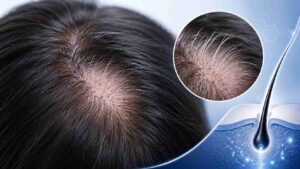

If you are experiencing hair loss, you have probably searched online and come across dozens of natural treatments claiming to regrow hair, block DHT, and reverse thinning without medication.
So, do natural hair loss treatments actually work?
The honest answer is that some natural treatments may help a little, but most do not have strong scientific evidence behind them. The challenge is separating treatments that have shown some promise in clinical studies from those that rely mainly on marketing, testimonials, and wishful thinking.
For men with male pattern hair loss, natural options are unlikely to deliver the same results as proven medical treatments. However, that does not mean they have no place at all. Some may offer modest benefits, particularly in the early stages of hair loss or as part of a wider treatment plan.
The key is understanding what the evidence actually says.
What Natural Hair Loss Treatments Have Evidence Behind Them?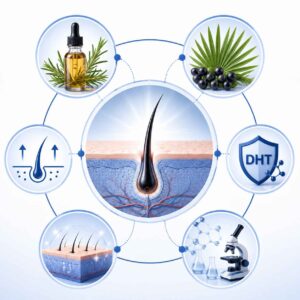
When discussing natural hair loss treatments, two options are consistently mentioned more than any others: rosemary oil and saw palmetto. Neither should be viewed as a miracle cure, but both have some scientific evidence supporting their use — making them among the more credible best hair loss solutions in the natural category.
Rosemary Oil
Rosemary oil has become one of the most popular natural treatments for hair loss in recent years.
The interest largely stems from one clinical study that compared rosemary oil with a lower-than-normal dose of minoxidil topical solution for men. Researchers found that after six months, participants using rosemary oil experienced improvements in hair growth that were broadly comparable to those using lower-strength minoxidil.
This study generated considerable attention because it suggested rosemary oil may have a positive effect on hair growth.
However, it is important to keep the findings in perspective. The research was relatively small, and there is nowhere near the volume of evidence supporting rosemary oil that exists for treatments such as minoxidil or finasteride tablets. Rosemary oil was used twice a day for the entire duration, which is impractical. We also do not fully understand the mechanism by which rosemary oil may support hair growth.
Rosemary oil appears to be relatively safe for most people when used correctly and may be worth considering for men who prefer to start with a natural option. The downside is that any improvements are likely to be very modest, and results often take several months to become noticeable.
Saw Palmetto
Saw palmetto is a plant extract commonly marketed as a natural alternative to finasteride tablets.
The theory behind saw palmetto is that it may help reduce the conversion of testosterone into DHT, the hormone primarily responsible for male pattern hair loss.
Several studies have suggested that saw palmetto may improve hair density and reduce hair shedding in some men. However, the evidence remains significantly weaker than that available for prescription medications. Most studies are small, use different formulations, and produce variable results. While some men appear to benefit, the improvements are generally less predictable than those seen with established medical treatments.
Nevertheless, saw palmetto remains one of the more popular natural options because there is at least some biological rationale and clinical evidence supporting its use. For men unwilling or unable to use prescription medication, it may be worth discussing with a hair loss specialist.
What Is Popular but Does Not Have Reliable Evidence?
The internet is full of natural remedies that claim to stop hair loss and regrow hair. Unfortunately, many of these treatments have little or no reliable scientific support.
Onion Juice
Onion juice frequently appears in online hair loss discussions. While one small study suggested it might help a specific type of hair loss called alopecia areata, there is no convincing evidence that it is effective for male pattern baldness. Despite its popularity on social media, onion juice is not considered a reliable treatment for androgenetic alopecia.
Castor Oil
Castor oil has developed a loyal following online, with claims that it can dramatically increase hair growth. The reality is that there is no strong scientific evidence showing castor oil can stimulate new hair growth or reverse male pattern hair loss. It may improve the appearance of hair by coating the hair shaft and increasing shine, but that is very different from treating the underlying cause of hair loss.
Biotin Supplements
Biotin is one of the most heavily marketed supplements in the hair loss industry. Biotin deficiency can cause hair thinning, but true deficiency is relatively uncommon in healthy adults. For most men with male pattern hair loss, taking additional biotin is unlikely to make a significant difference. Just because a nutrient is important for healthy hair does not mean taking more of it will reverse genetic hair loss.
Essential Oil Blends and Miracle Serums
Many products combine multiple oils, herbal extracts, and vitamins while making impressive claims about hair regrowth. In most cases, these products have not been subjected to rigorous clinical testing. While some ingredients may improve scalp condition or hair appearance, there is often little evidence that they can meaningfully slow or reverse male pattern hair loss. If a product promises dramatic regrowth without citing high-quality clinical studies, caution is usually warranted.
An Honest Clinical View From Mandeep Matharu
As a hair loss specialist, I completely understand why many patients are interested in natural treatments. The idea of improving hair growth without prescription medication is appealing. Some patients are concerned about side effects, while others simply prefer a more natural approach.
My view is straightforward.
Natural treatments can have a role for some people, but expectations need to be realistic.
For men with very early hair thinning symptoms, rosemary oil or saw palmetto may be reasonable options to explore, particularly if they want to start conservatively. Some patients report benefits, and the available evidence suggests there may be modest improvements for certain individuals. However, when someone has clear male pattern baldness that is actively progressing, natural treatments alone are often not enough.
Male pattern hair loss is driven by genetics and DHT sensitivity. If the goal is to preserve hair long-term and maximise regrowth potential, treatments that directly address those mechanisms — such as minoxidil topical solution, finasteride tablets, or dutasteride — generally provide the strongest results.
One of the biggest mistakes I see is men spending years trying unproven remedies while their hair loss continues to progress. By the time they seek professional advice from a hair loss clinic, many follicles have become significantly weakened or inactive.
Natural treatments may be a starting point, but there comes a stage where stronger evidence-based hair loss medication deserves serious consideration. A hair loss consultation with a specialist is the best way to assess where you are in your hair loss journey and what options make the most sense for you.
The most important thing is understanding where you are in your hair loss journey and choosing a treatment plan based on realistic expectations rather than marketing promises. For women, the same principle applies — hormonal imbalance and hair loss or female pattern hair loss are better addressed with clinically proven options alongside any natural support.
Frequently Asked Questions
Does Rosemary Oil Work as Well as Minoxidil?
One study suggested that rosemary oil may provide similar improvements to lower-strength minoxidil for men after several months of use. However, minoxidil has a far larger body of scientific evidence supporting its effectiveness. Most specialists still consider minoxidil topical solution the more established treatment, and it remains one of the best hair loss solutions currently available.
Is Saw Palmetto Safe?
Saw palmetto is generally well tolerated by many people, but side effects can occur. As with any supplement, it is important to discuss its use with a hair growth specialist or healthcare professional, particularly if you take other medications or have underlying health conditions.
What Should I Try First?
The best starting point depends on the cause and severity of your hair loss. If you are experiencing early thinning and prefer a natural approach, rosemary oil may be worth considering. However, if hair loss is progressing, a hair loss treatment consultation at a specialist hair loss clinic will help identify the most effective best hair loss treatment UK options before further hair is lost.
Are There Non-Surgical Hair Loss Treatments That Work Alongside Natural Options?
Yes. Many patients combine natural options like rosemary oil with clinically proven non-surgical hair loss treatments such as minoxidil. Non-invasive hair loss treatments and non-surgical hair restoration approaches can be combined with natural options as part of a wider treatment plan.
What About Hair Loss Solutions for Men With Early Thinning?
For men with early symptoms of male pattern baldness, the best approach is to start treatment early. Hair loss solutions for men with strong evidence include minoxidil for men, finasteride tablets, and finasteride topical solution. Natural treatments can complement but rarely replace these options for meaningful long-term results.
Are There Hair Thinning Solutions for Women Who Prefer Natural Options?
Women experiencing hair thinning symptoms female can explore natural options alongside specialist-recommended treatments. However, for women with female pattern hair loss or hormonal hair loss, clinically proven options such as minoxidil for women typically deliver stronger, more reliable results.
Final Thoughts
Natural hair loss treatments are not all created equal. A small number, such as rosemary oil and saw palmetto, have some scientific evidence behind them and may offer modest benefits for certain patients. However, many popular remedies lack reliable clinical support and are unlikely to produce meaningful results for male pattern hair loss.
The most effective approach is understanding the cause of your hair loss and choosing hair loss medication and treatments based on evidence rather than trends.
If you are unsure whether a natural treatment is worth trying, professional advice from a hair loss specialist can help you avoid wasting time on ineffective options and ensure you are making informed decisions about your hair health. You can book a hair loss consultation at The Hairology Centre or start with an online assessment.
For more information on hair loss causes and treatments, visit our complete guide: Hair Loss Treatment UK: Your Complete Guide