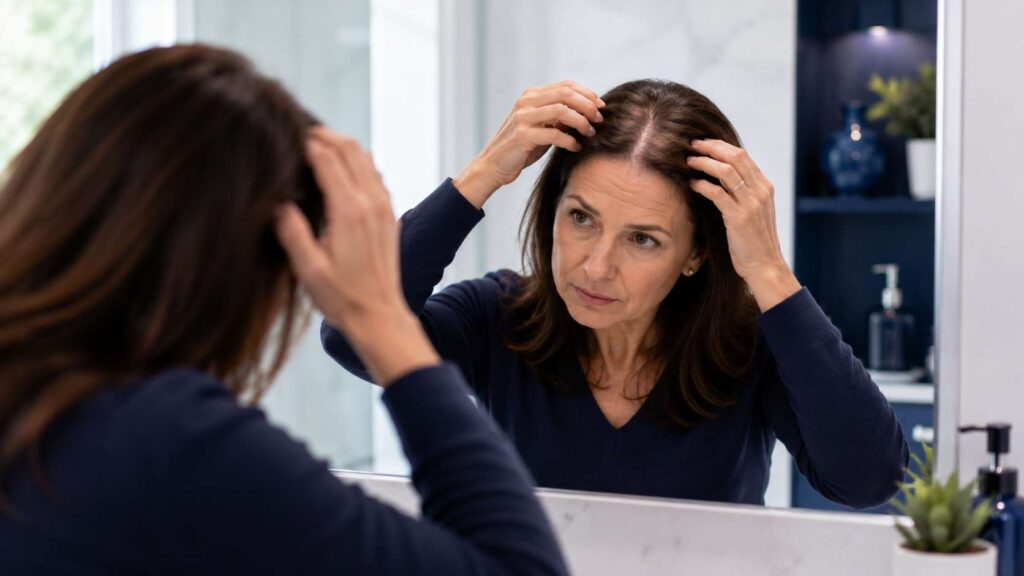
Yes — hormones are one of the most common causes of hair loss in women. In fact, hormonal imbalance and hair loss are behind many of the patterns women describe: sudden shedding, thinning around the parting, loss of volume, or hair that simply does not feel as full as it used to. Because hormones influence the hair growth cycle so closely, even small changes can have noticeable effects.
The good news is that hormonal hair loss is often manageable. Once you understand what is driving the change, there are practical steps you can take to support healthier, fuller-looking hair. If you have been wondering about why your hair is getting thinner, hormones may well be playing a role.
How to Tell If Your Hair Loss Is Hormonal
Hormonal hair loss has a few tell-tale signs. While every woman’s experience is different, these patterns often point toward hormones playing a role.
The Pattern of Thinning
Hormonal female hair loss usually appears as:
- A wider parting
- Reduced density on the crown
- Overall thinning rather than bald patches
- Hair that feels finer or more fragile
Unlike male pattern hair loss, women rarely lose hair at the temples. Instead, the volume gradually decreases across the top of the scalp. These hair thinning symptoms in women can be subtle at first.
The Timing
Hormonal hair loss often appears during or after major hormonal shifts. If your shedding started:
- After pregnancy
- Around perimenopause or menopause
- After stopping or starting hormonal contraception
- Following a thyroid diagnosis
- During a period of irregular cycles
Then hormones may be involved.
Other Symptoms Happening at the Same Time
Hair rarely acts alone. Hormonal changes often come with other signs, such as:
- Hot flushes, night sweats, or cycle changes (menopause)
- Acne, irregular periods, or increased facial hair (PCOS)
- Fatigue, weight changes, or sensitivity to cold or heat (thyroid issues)
- Mood changes or sleep disruption
If these symptoms overlap with your hair changes, it is worth exploring hormonal causes with a hair loss specialist.
The Main Hormonal Triggers — Explained in Plain Language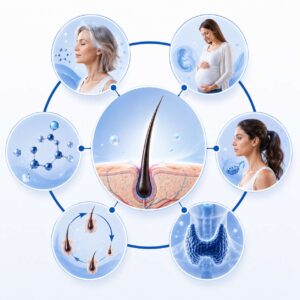
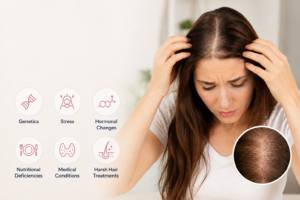
Hormones influence the hair growth cycle by controlling how long hair stays in its growth phase. When hormones shift, that cycle can shorten, causing hair to shed sooner or grow back finer. Here are the most common hormonal triggers for women.
Menopause and Perimenopause
As oestrogen levels fall, hair tends to become finer and sheds more easily. Oestrogen normally helps keep hair in its growth phase for longer, so when levels drop, the cycle speeds up. Many women notice a wider parting, loss of volume, and slower regrowth. This is one of the most common causes of female pattern hair loss in women over 40.
Post-Pregnancy (Postpartum Shedding)
During pregnancy, high hormone levels keep hair in a prolonged growth phase. After birth, those levels fall rapidly, and all the hair that was held in place sheds at once. This can feel dramatic, but it usually settles within several months.
PCOS (Polycystic Ovary Syndrome)
PCOS can increase androgen levels, which may cause thinning on the top of the scalp, slower regrowth, and increased facial hair. Not every woman with PCOS experiences hair loss, but for those who do, it can be one of the most distressing symptoms. This pattern can overlap with female pattern baldness.
Thyroid Imbalance
Both underactive and overactive thyroid function can affect hair density. Thyroid hormones help regulate the growth cycle, so when levels are too high or too low, hair may shed more easily or grow back more slowly.
What to Do Next — Testing, Treatment Options, and When to See a Specialist

If you suspect your hair loss is hormonal, there are several steps you can take to understand what is happening and explore suitable options.
1. Consider Basic Testing
A healthcare professional may suggest checking thyroid function, iron levels, Vitamin D, and hormone levels depending on symptoms. These tests can help identify whether a hormonal imbalance or deficiency may be contributing to your hair loss.
2. Explore Treatment Options
There is no single best treatment for hormonal hair loss — it depends on the cause — but many women benefit from a combination of approaches.
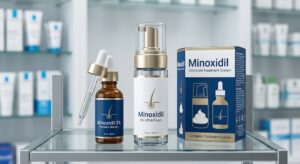
Topical treatments: Minoxidil for women is widely used to support the hair growth cycle and is available as a topical solution. A dedicated minoxidil topical solution is also available for suitable patients. Minoxidil shampoo for women can be used as a supportive option alongside prescription treatment. In some cases, a finasteride topical solution may be considered following specialist assessment.
Lifestyle and nutritional support: Supporting overall health can help hair return to its normal rhythm. This may include optimising nutrition, managing stress, and ensuring adequate sleep. These are important hair thinning solutions that complement medical treatment.
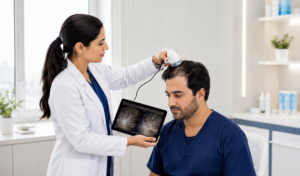
Professional treatments: A specialist hair loss clinic may offer treatments such as low-level laser therapy or other options. Women who prefer to avoid surgery will find that non-surgical hair restoration options are often highly effective for hormonal hair loss. Natural hair loss treatments such as rosemary oil may also have a supportive role.
3. When to See a Specialist
It is worth seeking a hair loss consultation if:
- Your hair loss is progressing quickly
- You notice bald patches
- Your scalp is itchy, painful, or inflamed
- You have had thinning for more than six months
- You are unsure of the cause
- You are considering prescription treatments
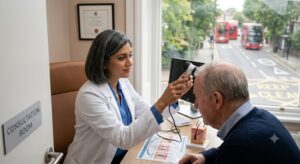
A hair growth specialist can help identify the underlying trigger and discuss suitable options. You can book a hair loss treatment consultation at The Hairology Centre or start with an online assessment.
Mandeep’s Clinical Insight From Treating Women With Hormonal Hair Loss
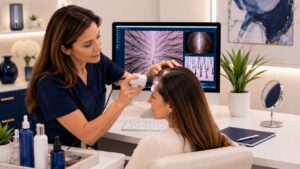
From working with many women experiencing hormonal hair changes, one theme comes up again and again: hair loss is rarely just about the hair. It is often tied to life transitions — pregnancy, perimenopause, stress, or health changes — and women frequently blame themselves long before they seek help.
Mandeep often sees women at The Hairology Centre who waited months or even years before speaking to a professional because they assumed nothing could be done. But in many cases, once the underlying hormonal trigger is identified, women see meaningful improvement. Sometimes the solution is as simple as correcting a deficiency, supporting the scalp, or adjusting a treatment plan. Other times, it involves a more structured approach — but the key message is that women do not have to navigate this alone.
The most important insight? Early support makes a difference. The sooner women understand what is happening, the sooner they can take steps that genuinely help. This is why a hair loss specialist consultation is always the recommended first step.
Frequently Asked Questions
Will My Hair Come Back After Menopause?
Many women find that their hair becomes finer during and after menopause. While the hormonal shift is long-term, supportive treatments including minoxidil for women and scalp care can help improve density and maintain healthier-looking hair. These are among the best hair loss solutions available for menopausal hair thinning.
Is Hormonal Hair Loss Permanent?
Not always. Postpartum shedding and thyroid-related hair loss often improve once the underlying trigger settles. Female pattern hair loss and menopause-related changes tend to be long-term but can be managed with ongoing support and appropriate hair loss medication.
What Treatment Helps Most?
There is no single best treatment for every woman. Many benefit from a combination of minoxidil for women, lifestyle support, and professional therapies. A hair loss specialist can help guide you toward options that are appropriate for your situation. The best hair loss treatment UK options for hormonal hair loss depend on your individual diagnosis.
What Are the Best Hair Loss Solutions for Women With Hormonal Hair Loss?
The best hair loss solutions for women with hormonal hair loss typically include topical minoxidil, hormonal assessment and management, nutritional optimisation, and non-invasive hair loss treatments such as low-level laser therapy. A personalised plan from a specialist always delivers better results than a generic approach.
Is There a Hair Loss Clinic Near Me That Treats Hormonal Hair Loss?
The Hairology Centre is a specialist hair loss clinic in Marlow with ad hoc appointments also available in London. We also offer remote online assessments for women across the UK. Our hair loss specialist Mandeep Matharu has extensive experience treating hormonal hair loss in women.
For more information on hair loss causes and treatments, visit our complete guide: Hair Loss Treatment UK: Your Complete Guide