
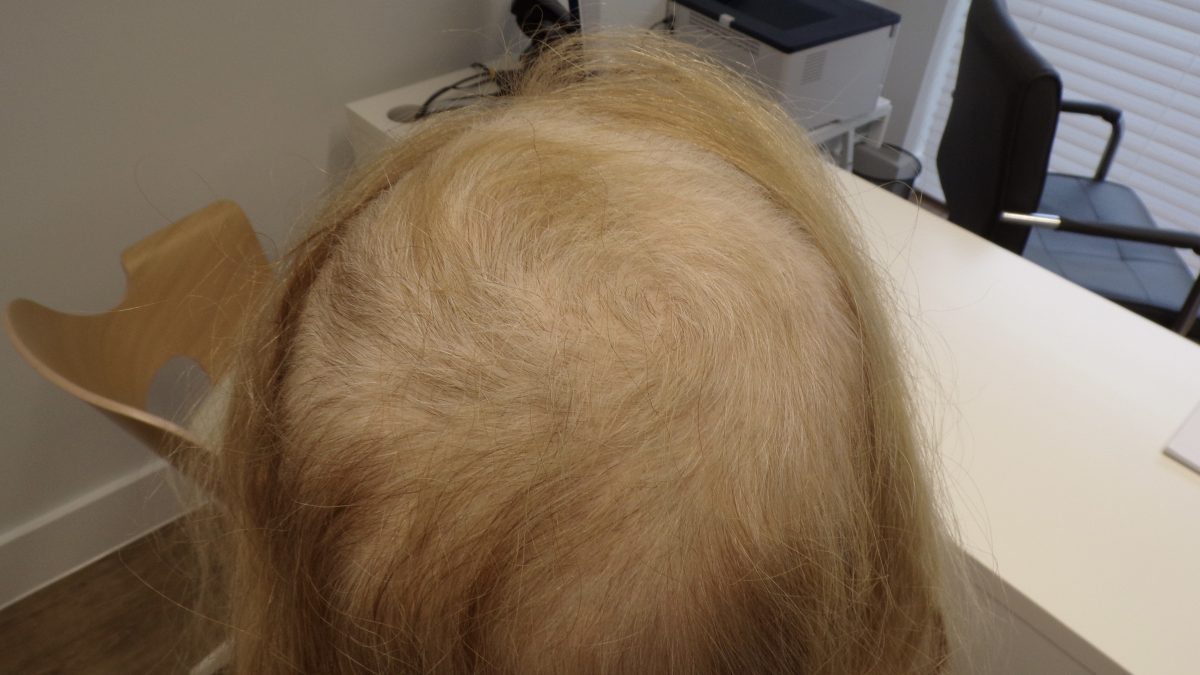
Alopecia areata is a common autoimmune condition that causes non-scarring hair loss. Whilst it is best known for producing patchy baldness, many patients notice something unexpected during recovery: new white hair growing back in previously bald areas. This can be confusing, particularly for those who expect to see their natural hair colour return straight away.
Understanding why alopecia areata white hair regrowth occurs can provide important reassurance. Far from being a cause for concern, the appearance of white hairs is often one of the earliest and most encouraging signs that your follicles are recovering.
Why Does White Hair Grow Back First in Alopecia Areata?
The answer lies in the way alopecia areata targets hair follicles and the differing vulnerability of melanocytes, the specialised cells responsible for producing hair pigment.
Alopecia areata is a T-cell-mediated autoimmune condition. The immune system mistakenly identifies hair follicles as a threat and launches an inflammatory attack. However, this attack is not uniform across all follicles.
Melanocyte-Associated Antigens: Why Pigmented Follicles Are Targeted
Research has shown that immune cells preferentially attack hair follicles containing pigmented hair. The melanocytes within these follicles carry specific proteins, known as antigens, which the immune system may mistakenly identify as foreign. This makes pigmented follicles a more prominent target during an autoimmune episode.
Why White and Grey Hairs Are Often Spared
Hair follicles that produce white or grey hair contain melanocytes that are either dormant or no longer functioning. Because these follicles do not present the same antigenic targets to the immune system, they are frequently spared from the initial attack. This selective sparing is sometimes described as an immunological privilege of white hairs, and it explains why white strands may remain even as all surrounding pigmented hairs fall out.
Alopecia Areata White Hair Regrowth: A Positive Sign of Recovery
When alopecia areata begins to go into remission, the immune attack gradually subsides and dormant follicles start to reactivate. The new hairs that emerge often lack pigment at first, because the melanocytes in the affected follicles were damaged or destroyed during the autoimmune episode.
This means the first visible signs of regrowth are frequently fine, white, or very light hairs. Rather than being alarming, this is a positive development. It tells us that the hair follicles have survived the immune attack and are beginning to function again.
Seeing alopecia areata white hair regrowth is a strong indicator of one of the following:
- The condition is entering remission
- The patient is responding positively to treatment
- The hair follicles remain active and capable of producing new growth
Will Natural Hair Colour Eventually Return?
In many cases, yes. As the hair follicle continues to recover and the melanocytes gradually regain their function, the hair may begin to grow back with its original colour. This process can take several months and the timeline varies considerably between individuals.
However, for some people, the hair may remain white or lighter than before, particularly if the melanocytes sustained lasting damage during the immune attack. This is not a universal outcome, and many patients do see their natural colour return in time.
In Summary
White hair regrowth in alopecia areata reflects the unique way in which the immune system interacts with pigmented hair follicles. It is not a sign that something has gone wrong. Rather, it is often the first visible evidence that your follicles are alive, recovering, and beginning to produce hair again.
This phenomenon highlights the important connection between the immune system, hair follicle biology, and the role of melanocytes in determining hair colour. If you are experiencing alopecia areata white hair regrowth and would like to understand your treatment options, a specialist assessment can help guide you through the next steps.
Frequently Asked Questions
Q1. Is white hair regrowth from alopecia areata permanent?
- Not necessarily. For many patients, the hair gradually regains its pigment as the melanocytes recover. In some cases, however, the hair may remain white, particularly if the follicle sustained significant damage during the autoimmune episode.
Q2. Does white hair regrowth mean alopecia areata is cured?
- White hair regrowth indicates that the condition is in remission and that follicles are reactivating. It is an encouraging sign, though alopecia areata can relapse. Ongoing monitoring with a specialist is recommended.
Q3. How long does it take for alopecia areata white hair to return to its natural colour?
- The timeline varies between individuals. Some patients notice natural colour returning within a few months, whilst others may take longer. In a proportion of cases, the colour change may be lasting.
Q4. Should I seek treatment even if my hair is already regrowing white?
- Yes. A specialist can assess the pattern and extent of your regrowth, monitor for relapse, and recommend treatments that may support fuller recovery, including restoration of pigmented hair over time.