If you have been using the same anti-dandruff shampoo for years and recently noticed that it no longer seems to work as well, smells different, or has completely changed its ingredients, you are not imagining things.
The most likely reason is that zinc pyrithione, one of the most effective anti-dandruff ingredients ever used in shampoos, was banned in cosmetic products across the European Union and UK markets. As a result, many manufacturers reformulated their products and replaced zinc pyrithione with alternative ingredients.
For many people this was simply an inconvenience. However, for patients with hair loss conditions, scalp inflammation, seborrhoeic dermatitis, or chronic dandruff, the change has been far more noticeable.
Many patients tell us that their scalp symptoms became worse after their favourite shampoo was reformulated, leaving them wondering what happened and what they should use instead. If you are also dealing with hair thinning symptoms alongside scalp issues, understanding the connection is especially important.
Why Were People With Hair Loss Conditions Using Zinc Pyrithione Shampoos?
Most people associate anti-dandruff shampoos with flaky scalps. However, many patients with hair loss conditions were using zinc pyrithione shampoos for a completely different reason.
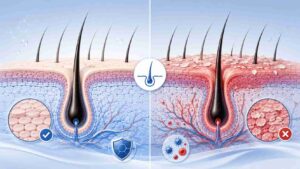
Scalp inflammation is increasingly recognised as an important factor in a number of hair and scalp disorders. Conditions such as:
- Male pattern hair loss
- Female pattern hair loss
- Seborrhoeic dermatitis
- Chronic scalp irritation
- Excessive scalp oiliness
can all be associated with inflammation and increased scalp sensitivity.
Zinc pyrithione helped control the yeast organisms involved in dandruff and seborrhoeic dermatitis while also reducing inflammation and irritation. Many patients found that their scalp felt calmer, less itchy, and healthier when using these products regularly.
Although zinc pyrithione was never a direct hair loss treatment, maintaining a healthy scalp environment is often an important part of a wider hair restoration strategy. Women experiencing hair thinning symptoms female alongside scalp issues were particularly affected by this change.
What Does the Ban Actually Mean?
The ban has understandably created confusion. Some people assume zinc pyrithione was removed because it was dangerous. Others believe it was proven to cause serious health problems.
The reality is more nuanced. European regulators reviewed the available safety data and concluded that zinc pyrithione could no longer meet the strict safety requirements needed for continued use in cosmetic products. The main concern related to potential reproductive toxicity observed in laboratory studies.
This does not mean that people who previously used zinc pyrithione shampoos were harmed. Nor does it mean that every bottle of shampoo containing zinc pyrithione was unsafe. Rather, regulators determined that the available evidence was insufficient to support ongoing approval under current cosmetic safety regulations.
As a result, manufacturers had little choice but to reformulate their products using alternative active ingredients. For consumers — particularly those managing conditions such as alopecia areata or hormonal imbalance and hair loss alongside scalp issues — the practical consequence is that many of the shampoos that worked well for years no longer contain the ingredient responsible for much of their effectiveness.
What Should You Use Instead?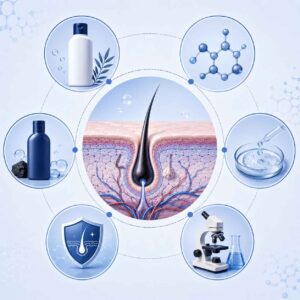
The good news is that there are still several useful alternatives available. The key is choosing the right option for your specific scalp condition and hair loss medication needs.
Ketoconazole Shampoo
For many patients, ketoconazole is the strongest alternative. Ketoconazole is an antifungal ingredient commonly used to treat dandruff and seborrhoeic dermatitis. It helps reduce scalp inflammation and control the yeast organisms associated with flaking and irritation.
There is also some evidence suggesting ketoconazole may have benefits for patients with androgenetic alopecia when used as part of a broader treatment plan. For many hair loss patients, ketoconazole shampoo is now the preferred replacement for zinc pyrithione products. It can be used alongside proven non-surgical hair loss treatments such as minoxidil topical solution.
Piroctone Olamine
Piroctone olamine has become one of the most common ingredients used in reformulated anti-dandruff shampoos. It works by targeting the microorganisms involved in dandruff and may help improve scalp health. Some early research has suggested potential benefits for hair quality and hair density, although the evidence remains much weaker than for established best hair loss solutions such as minoxidil or finasteride. Many patients find piroctone olamine shampoos helpful for ongoing maintenance.
Women who are also using minoxidil shampoo for women as part of their treatment routine may find piroctone olamine shampoos a complementary option for scalp health.
Selenium Sulfide
Selenium sulfide shampoos remain effective for many people with persistent dandruff and seborrhoeic dermatitis. They can reduce flaking and help control scalp irritation. However, some users find them less cosmetically appealing due to their texture or smell.
Salicylic Acid-Based Shampoos
For people with heavy scale build-up, salicylic acid shampoos can help remove flakes and improve scalp comfort. These products are often best used alongside other active ingredients rather than as standalone treatments.
Mandeep Matharu’s Recommendation for Patients Affected by This Change
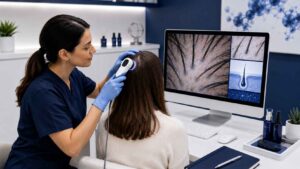 The first thing we tell patients at our hair loss clinic is not to panic if their favourite shampoo has disappeared or changed. The goal is not to find a shampoo with the exact same ingredient list. The goal is to control scalp inflammation, itching, flaking, and irritation effectively.
For most patients with hair loss concerns, the first recommendation is usually a ketoconazole-based shampoo used as part of a broader hair care routine. If ketoconazole is too drying or not well tolerated, piroctone olamine products can be an excellent alternative.
What we would avoid is spending large amounts of money chasing expensive hair growth shampoos that make dramatic marketing claims. A shampoo’s primary role is scalp health. While some ingredients may support a healthier scalp environment, shampoos alone rarely reverse male or female pattern hair loss.
If hair loss is progressing, it is important to address the underlying condition rather than relying solely on shampoo. The same applies to patients managing early signs of male pattern baldness — scalp care matters, but proven treatments including finasteride tablets, finasteride topical solution, minoxidil and finasteride topical solution, or dutasteride are what make the biggest difference for long-term hair preservation.
One of the most common mistakes we see is patients trying multiple shampoos while ignoring the actual cause of their thinning hair. A hair loss consultation with a hair loss specialist is always the most effective first step. A healthy scalp matters, but effective hair loss treatment requires a proper diagnosis and an evidence-based treatment plan.
Frequently Asked Questions
Is My Old Shampoo Still Available Anywhere?
In some countries outside Europe, products containing zinc pyrithione may still be available. However, most major brands sold within the UK and European markets have been reformulated to comply with current regulations. If you are concerned about your scalp health, a hair loss treatment consultation at a specialist hair loss clinic can help identify the most suitable alternative for your situation.
What Is the Best Alternative?
For most patients affected by dandruff, seborrhoeic dermatitis, or scalp inflammation, ketoconazole is usually the strongest evidence-based alternative. Piroctone olamine is another popular option that many people tolerate well. If your scalp issues are affecting your hair health, a hair loss consultation with our hair growth specialist can help you find the right approach for your needs.
Is Zinc Pyrithione Safe?
The answer depends on how safety is defined. Millions of people used zinc pyrithione shampoos for many years without obvious problems. However, regulatory authorities determined that there was insufficient evidence to satisfy modern cosmetic safety requirements, leading to its removal from cosmetic products in many markets.
What Are the Best Hair Loss Solutions If Shampoo Is Not Enough?
The best hair loss solutions for progressive hair loss go well beyond shampoo. For men, clinically proven options include minoxidil for men, finasteride tablets, and dutasteride. For women, minoxidil for women is the most widely recommended option alongside addressing any hormonal factors. These represent the strongest best hair loss treatment UK options currently available.
Are There Non-Surgical Hair Loss Treatments That Work Alongside a Good Shampoo Routine?
Yes. Non-surgical hair loss treatments including minoxidil topical solution, finasteride tablets, and finasteride topical solution all combine well with a proper scalp care routine. Non-invasive hair loss treatments and non-surgical hair restoration approaches are the recommended first step for most patients before considering surgery. A healthy scalp is the foundation — but medical treatment is what drives meaningful long-term results.
What Hair Loss Treatments Are Available for Men Specifically?
For men experiencing male pattern hair loss or symptoms of male pattern baldness, the strongest hair loss solutions for men include minoxidil for men, finasteride tablets, and dutasteride. Hair transplant alternatives including non-surgical hair restoration options are also worth exploring. A hair loss treatment consultation with a hair loss specialist is always the recommended starting point.
Final Thoughts
If your anti-dandruff shampoo suddenly seems different, there is a good reason. The removal of zinc pyrithione has forced many manufacturers to reformulate products that people had relied upon for years. For patients with scalp conditions and hair loss concerns, this change has sometimes been frustrating because the replacement formulations do not always perform in exactly the same way.
Fortunately, effective alternatives still exist. For most people, ketoconazole and piroctone olamine represent the most practical replacements. The key is finding the option that controls your symptoms while supporting overall scalp health.
And if hair loss remains a concern, remember that shampoo is only one part of the picture. Understanding the underlying cause of your hair loss remains the most important step. Book a hair loss specialist consultation at The Hairology Centre or start with a free online assessment today.
For more information on hair loss causes and treatments, visit our complete guide: Hair Loss Treatment UK: Your Complete Guide