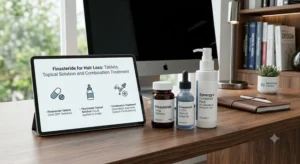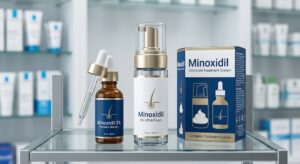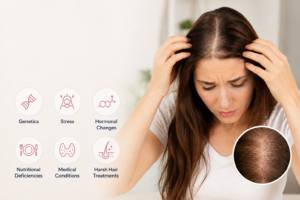

Yes, dutasteride works for hair loss and, in many cases, it may be more effective than finasteride.
For men experiencing male pattern hair loss, dutasteride is one of the most powerful medical treatments currently available. Studies have shown that it can reduce hair loss, improve hair density, and promote regrowth in many patients, particularly those who continue to lose hair despite using other treatments.
At The Hairology Centre, dutasteride is often discussed with patients who are looking for a stronger option to help slow or stop progressive hair thinning.
If you are wondering whether dutasteride could help you, here is what you need to know.
What Does Dutasteride Do?
In simple terms, dutasteride helps protect your hair follicles from the hormone that causes them to shrink.
By reducing the levels of this hormone, hair follicles can remain active for longer, helping to slow hair loss and allowing healthier, thicker hairs to grow.
That is really the goal of treatment: preserving the hair you have while giving weakened follicles the best chance of recovery.
Why Do Men Lose Their Hair?
Most male hair loss is caused by a condition called androgenetic alopecia, more commonly known as male pattern hair loss.
The condition is inherited and occurs when hair follicles become sensitive to a hormone called dihydrotestosterone (DHT). Over time, DHT causes affected follicles to shrink. The hairs produced become progressively thinner, shorter, and less visible until the follicle eventually struggles to produce meaningful hair growth.
Recognising the early signs of male pattern baldness is important because treatment is most effective when started early. Without treatment, this process usually continues gradually over time.
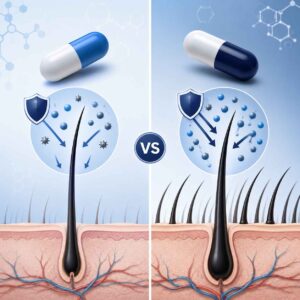
How Does Dutasteride Compare to Finasteride?
This is one of the most common questions patients ask. Both medications work by reducing DHT levels, but dutasteride blocks more of the pathways involved in DHT production. As a result, dutasteride typically lowers DHT levels more effectively than finasteride.
Finasteride
Finasteride tablets have been used for hair loss for many years and remain an excellent first-line treatment for many men. Finasteride can:
- Slow hair loss
- Preserve existing hair
- Improve density
- Support long-term maintenance
It is licensed to treat genetic hair loss. Many men achieve excellent results with finasteride alone. A finasteride topical solution is also available for men who prefer to avoid oral tablets.
Dutasteride
Dutasteride is generally considered the stronger option. Because it suppresses DHT more extensively, it may:
- Produce greater improvements in hair density
- Offer better maintenance of existing hair
- Help patients who have not responded sufficiently to finasteride
In clinical practice, dutasteride is often considered when:
- Hair loss is continuing despite finasteride
- Hair thinning is progressing rapidly
- Patients wish to pursue a more aggressive treatment strategy
However, stronger does not automatically mean better for everyone. Treatment decisions should always take into account age, medical history, severity of hair loss, treatment goals, and personal preferences. It is prescribed as an off-label treatment for genetic hair loss. A professional hair loss consultation helps determine which option is most appropriate.
What Results Do Patients Actually See?
One of the most important things to understand is that dutasteride is not an overnight solution. Hair grows slowly, and improvements take time.
The First Few Months
During the first few months, some patients may notice increased shedding. This can be unsettling, but it often reflects older hairs being replaced by new growth. At this stage, visible improvement is usually limited.
Three to Six Months
Many patients begin to notice:
- Reduced shedding
- Improved hair quality
- Greater density
- Better scalp coverage
Photographs can be particularly helpful because changes often occur gradually.
Six to Twelve Months
This is when the most noticeable improvements are typically seen. Patients commonly report:
- Thicker hair
- Improved crown density
- Reduced scalp visibility
- Greater confidence in their appearance
Beyond Twelve Months
Continued use is important. Dutasteride helps manage an ongoing process. If treatment is stopped, DHT levels recover and hair loss may gradually resume. Consistency is one of the biggest predictors of success.
Does Dutasteride Regrow Hair?
Many patients experience some degree of regrowth. The extent of regrowth depends on several factors, including how long hair loss has been present, the health of the remaining follicles, age, genetics, and whether other treatments are being used.
Hair follicles that have only recently become weakened often respond better than follicles that have been inactive for many years. This is why early intervention is so important.
In general, the goal of treatment is to stop further hair loss, preserve existing hair, and improve thickness and density where possible. Any regrowth achieved is an additional benefit.
Understanding the Side Effects
Patients deserve honest information when considering any medication. The majority of men tolerate dutasteride well, but side effects can occur. Potential side effects may include:
- Reduced libido
- Erectile dysfunction
- Ejaculatory changes
- Breast tenderness or enlargement
- Mood changes in a small number of individuals
It is important to remember that not everyone experiences side effects. Many patients use dutasteride without any significant problems. However, because the medication affects hormone metabolism, a detailed discussion of risks and benefits is essential before treatment begins. At The Hairology Centre, we believe patients should have clear, balanced information so they can make informed decisions about their care.
Can Dutasteride Be Combined With Other Treatments?
Yes. In fact, combination therapy is often used to achieve the best possible results. A common approach may include:
- Dutasteride to reduce DHT
- Minoxidil topical solution to stimulate hair growth
- Scalp health management
- Nutritional optimisation where appropriate
A minoxidil and finasteride topical solution can also be used alongside dutasteride as part of a wider treatment plan. These treatments work through different mechanisms and can complement each other. For many patients, a personalised treatment plan produces better results than relying on a single intervention alone.
Patients wondering about hair transplant alternatives will find that non-surgical hair loss treatments including dutasteride can deliver meaningful results without surgery. Many patients also find it helpful to review natural hair loss treatments as a supplementary option alongside medical treatment.
How To Get Dutasteride Prescribed at The Hairology Centre

The first step is obtaining an accurate diagnosis. Not all hair loss is caused by male pattern hair loss, and not everyone is suitable for dutasteride treatment.
At The Hairology Centre, a hair loss treatment consultation with our hair loss specialist involves:
- Reviewing your hair loss history
- Assessing your scalp and hair pattern
- Discussing previous treatments
- Evaluating your medical history
- Exploring your treatment goals
Following assessment, we can advise whether dutasteride is an appropriate option and discuss the potential benefits and risks in detail. Our aim is to provide evidence-based hair loss medication plans tailored to your individual needs rather than adopting a one-size-fits-all approach.
You can also begin with our online assessment at treatments.hairologycentre.com if you prefer to start remotely.
Frequently Asked Questions
Is Dutasteride Safe?
For most suitable patients, dutasteride is generally well tolerated when prescribed appropriately and monitored by a hair growth specialist. As with any medication, potential risks and benefits should be discussed before treatment begins.
Does Dutasteride Work for Everyone?
No treatment works for everyone. However, dutasteride is among the most effective best hair loss solutions currently available for male pattern hair loss and many patients experience meaningful improvement. Results vary depending on individual factors and the stage of hair loss.
Can I Use Dutasteride With Minoxidil?
Yes. Dutasteride and minoxidil for men are commonly used together because they work in different ways. Dutasteride helps address the hormonal cause of hair loss, while minoxidil helps stimulate hair growth. Many patients achieve their best results when both treatments are incorporated into a personalised treatment plan.
What Are the Best Hair Loss Solutions for Men?
The best hair loss solutions for men include dutasteride, finasteride tablets, and minoxidil topical solution. For men with hair loss symptoms, early treatment gives the best results. A hair loss clinic assessment is always recommended before starting treatment.
What About Non-Surgical Hair Loss Treatment?
Non-surgical hair loss treatment options including dutasteride, finasteride, and minoxidil are the recommended first step for most patients. Non-surgical hair restoration can deliver meaningful results, and for many patients eliminates the need for surgery altogether.
Are There Hair Thinning Solutions for Men That Work?
Yes. Hair thinning solutions for men that have the strongest evidence include dutasteride, finasteride, and minoxidil. Topical finasteride is also a well-supported option for men who prefer a non-oral approach.
The Bottom Line
If you are experiencing male pattern hair loss, dutasteride is one of the most effective best hair loss treatments available. In many cases, it can produce greater improvements than finasteride because it suppresses DHT more extensively.
The earlier treatment begins, the greater the opportunity to preserve existing hair and maximise regrowth potential. If you are concerned about ongoing hair loss, a hair loss consultation can help determine whether dutasteride is the right option for you.
For more information on hair loss causes and treatments, visit our complete guide: Hair Loss Treatment UK: Your Complete Guide