
You do not need a transplant — and the reassuring truth is that most women and men never need surgery to see real improvement. At The Hairology Centre, the majority of patients achieve fuller, healthier-looking hair using non-surgical hair loss treatments alone. Transplants are only one option, and they are usually the last option, not the first.
Hair loss can feel overwhelming, but you have far more choices than you think. Modern hair transplant alternatives are effective, well-researched, and suitable for a wide range of hair concerns. Whether your thinning is hormonal, genetic, stress-related, or simply age-related, there are proven ways to support regrowth and improve density — without going anywhere near an operating theatre.
The Non-Surgical Treatments That Actually Work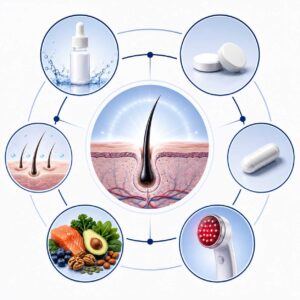
There are many products marketed for hair loss, but only a few treatments have strong evidence behind them. These are the options that consistently help patients at The Hairology Centre and represent the strongest best hair loss solutions available today.
Minoxidil — The Foundation of Non-Surgical Treatment
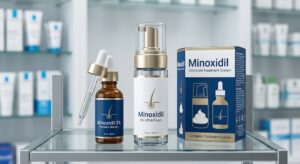
Minoxidil topical solution is one of the most widely used topical treatments for hair thinning. It works by supporting the hair growth cycle and helping more follicles stay in their active growth phase. Minoxidil for women is available as a dedicated formulation, while minoxidil for men is also available in suitable strengths. Many patients notice:
- Reduced shedding
- Improved density
- Thicker-feeling strands
It is available in different strengths and formulations, and it can be used long-term as part of a maintenance routine. Women experiencing early hair thinning symptoms often find minoxidil to be an excellent starting point. Minoxidil shampoo for women can also be used as a supportive option alongside topical treatment.
Finasteride — A Prescription Option for Suitable Patients
Finasteride tablets are a prescription medication that works by reducing the hormone activity that contributes to genetic hair thinning. It is not suitable for everyone, and women should always discuss it with a qualified clinician, but for the right patient it can be an effective part of a treatment plan. A finasteride topical solution is also available for patients who prefer to avoid oral tablets. A combined minoxidil and finasteride topical solution is another option for suitable patients.
Dutasteride — A Stronger Alternative for Some
Dutasteride works in a similar way to finasteride but affects a broader range of hormonal pathways. It is sometimes used when other treatments have not been effective. As with any prescription treatment, suitability depends on individual factors, and a hair loss specialist can help determine whether it is appropriate.
Supportive Treatments
Alongside the main evidence-based options, many patients benefit from supportive therapies such as low-level laser therapy, scalp-focused routines, nutritional optimisation, and stress-management strategies. Natural hair loss treatments such as rosemary oil and saw palmetto can also play a supportive role. These do not replace medical treatments, but they can enhance results and support overall hair health.
What Results Look Like — Realistic Expectations and Timelines
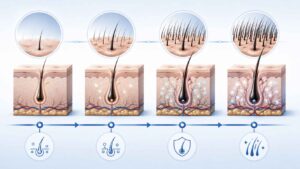
Non-surgical hair restoration can deliver impressive results, but treatments work gradually. Understanding the timeline helps you stay motivated and consistent.
The First 4 to 8 Weeks
Many patients notice reduced shedding and a calmer, healthier-feeling scalp. Some experience a brief increase in shedding as the hair cycle resets — this is temporary and usually settles quickly.
3 to 6 Months
This is when early improvements become visible. Hair may look fuller, the parting may appear narrower, and new baby hairs may start to appear along the hairline or crown.
6 to 12 Months
This is the period when most patients see their most noticeable changes. Density improves, strands feel thicker, and overall volume increases.
12 Months and Beyond
Hair continues to improve with consistent treatment. Many patients maintain their results long-term with a personalised routine. This makes non-invasive hair loss treatments a genuinely sustainable solution for most patients.
Why Non-Surgical Treatment Is Often the Smarter First Step
Even for patients who are open to surgery, non-surgical hair loss treatment is almost always the recommended starting point. Here is why.
1. It Treats the Underlying Cause
A transplant moves hair — it does not stop thinning. Without non-surgical treatment, transplanted hair can look good while the surrounding hair continues to thin. Hair loss medication helps stabilise the hair cycle and protect the hair you already have.
2. It Can Prevent the Need for Surgery Altogether
Many patients achieve the density they want with hair transplant alternatives alone. Surgery becomes unnecessary. This is particularly true for men experiencing male pattern hair loss who begin treatment early, and women with female pattern hair loss who seek timely support.
3. It Improves Transplant Results If You Ever Choose Surgery Later
If you eventually decide on a transplant, having a healthier, denser scalp gives you better long-term results.
4. It Is More Affordable and Lower-Risk
Non-surgical treatments are significantly less expensive than surgery and involve no downtime, no scarring, and no recovery period. This makes them the best hair loss treatment UK patients should consider first.
5. It Is Suitable for Almost Every Stage of Thinning
Whether your hair loss is mild, moderate, or advanced, non-surgical hair restoration can help stabilise and support regrowth. It is equally relevant for men looking for hair loss solutions for men and women looking for hair thinning solutions.
How to Get Started at The Hairology Centre
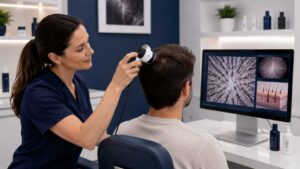
Beginning treatment does not have to be complicated. At The Hairology Centre, the process is designed to be simple, supportive, and tailored to your needs.
Step 1: Consultation
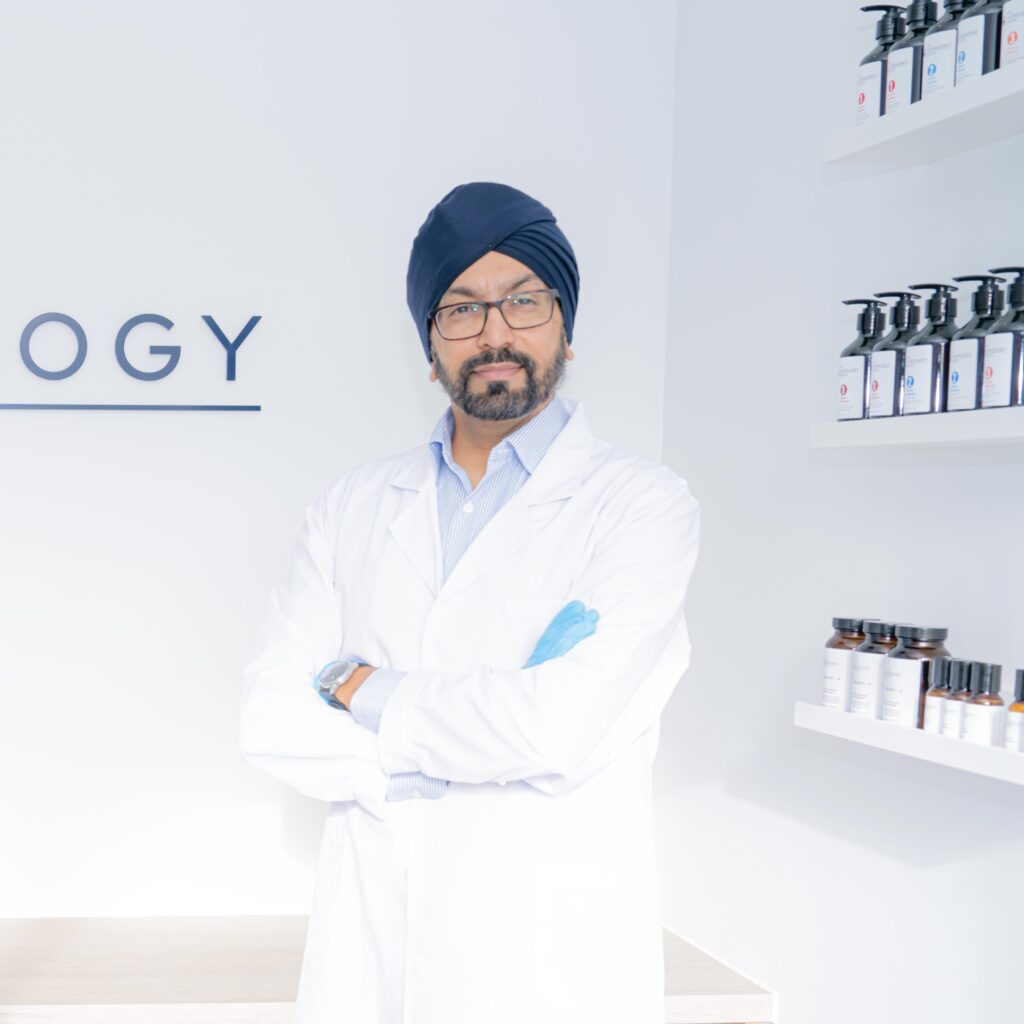
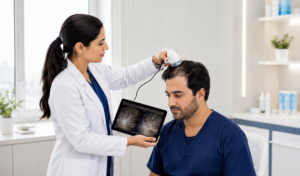
You will meet with our hair loss specialist Mandeep Matharu, who specialises in hair health. He will discuss your symptoms, medical history, and goals, and help identify the likely cause of your thinning. You can book a hair loss consultation at our Marlow clinic or in London, or start with an online assessment.
Step 2: Personalised Treatment Plan
Based on your hair loss treatment consultation, you will receive a plan that may include topical treatments, prescription options, or supportive therapies. Everything is tailored to your hair type, lifestyle, and comfort level. Our specialist hair loss clinic in Marlow provides a truly personalised approach.
Step 3: Ongoing Support
Hair growth takes time, so you will have regular check-ins to track progress, adjust your plan, and ensure you are getting the best possible results.
Step 4: Long-Term Maintenance
Once your hair has stabilised and improved, your clinician will help you maintain your results with a simple, sustainable routine. Many patients find this ongoing support from a hair growth specialist invaluable for long-term confidence.
Frequently Asked Questions
Can I Avoid a Hair Transplant Completely?
Many patients do. Non-surgical hair loss treatments can stabilise thinning, support regrowth, and improve density enough that surgery becomes unnecessary. Even those with male pattern hair loss or female pattern hair loss often achieve excellent results without a transplant.
Which Treatment Works Fastest?
Topical treatments including minoxidil topical solution and prescription options tend to show early improvements in shedding within the first few months. Visible regrowth takes longer — usually 3 to 6 months — and continues to improve over a year or more. Finasteride tablets are also effective for men and typically show results over a similar timeframe.
Is Non-Surgical Hair Loss Treatment Permanent?
Hair thinning is often long-term, especially when it is genetic or hormonal. However, many patients maintain their results with ongoing treatment. Think of it like skincare — consistent care leads to the best long-term outcome. The best hair loss solutions are those used consistently as part of a personalised plan.
What Are the Best Hair Loss Solutions for Men Who Do Not Want Surgery?
The strongest hair loss solutions for men who want to avoid surgery include minoxidil for men, finasteride tablets, dutasteride, and combination therapies. For men with early signs of male pattern baldness, starting treatment early gives the best chance of maintaining density without surgery.
What About Hair Loss Treatment for Men Specifically?
Hair loss treatment for men at The Hairology Centre typically centres on minoxidil, finasteride, and dutasteride. These are the most evidence-backed hair loss medication UK options for male pattern hair loss. A hair loss treatment consultation with our hair loss specialist is the recommended first step.
Are There Hair Thinning Solutions for Men That Really Work?
Yes. Hair thinning solutions for male patients with strong clinical evidence include minoxidil topical solution, finasteride tablets, finasteride topical solution, and dutasteride. The symptoms of male pattern baldness are best addressed with early, consistent treatment through a specialist hair loss clinic.
For more information on hair loss causes and treatments, visit our complete guide: Hair Loss Treatment UK: Your Complete Guide