Hair loss can affect confidence, wellbeing, and quality of life. While shedding some hair each day is normal, persistent thinning, bald patches, or excessive hair loss should be assessed by a qualified professional. Choosing the right hair loss specialist is the first step towards receiving an accurate diagnosis and an effective treatment plan.
What Does a Hair Loss Specialist Do and Why Does It Matter? 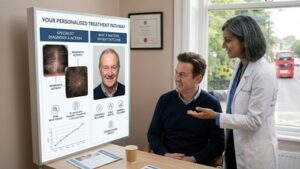
A hair loss specialist is a healthcare professional with expertise in diagnosing and treating conditions that affect the hair and scalp. Rather than simply recommending over-the-counter products, a specialist identifies the underlying cause of hair loss before recommending evidence-based treatment.
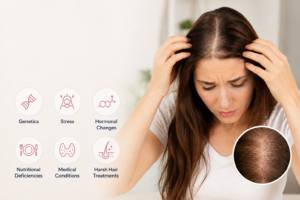
There are more than 20 different types of hair loss, including androgenetic alopecia, alopecia areata, telogen effluvium, frontal fibrosing alopecia, traction alopecia, and hair loss caused by medical conditions or nutritional deficiencies. Many of these conditions can appear similar but require very different treatments.
Receiving an accurate diagnosis is essential because using the wrong treatment may delay improvement or even worsen the condition. A specialist will consider your medical history, medications, lifestyle, family history, and scalp examination to determine the most appropriate course of action.
Hair Loss Specialist vs GP vs Dermatologist
GP
A GP is often the first point of contact and can investigate common medical causes of hair loss, arrange blood tests, and refer patients if necessary. However, a GP may not have the specialist knowledge to distinguish between the many different types of hair loss.
Dermatologist
A dermatologist is a medical doctor specialising in diseases of the skin, hair, and nails. They usually manage complex scalp disorders, autoimmune hair diseases, skin cancers, and cases requiring biopsies or hospital-based treatment.
Hair Loss Specialist
A hair growth specialist focuses specifically on diagnosing and managing hair and scalp conditions. Their expertise centres on identifying the exact type of hair loss and developing personalised treatment plans, including prescription medications where appropriate, topical therapies, nutritional advice, and ongoing monitoring.
What Qualifications Should You Look for in a Hair Growth Specialist? 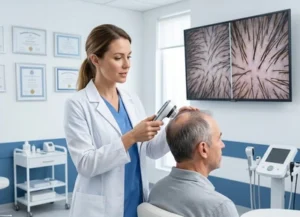
A reputable specialist should have:
- Appropriate healthcare qualifications
- Professional registration with their regulatory body where applicable
- Extensive experience assessing different forms of hair loss
- Knowledge of evidence-based treatments supported by clinical research
- A personalised approach rather than a one-size-fits-all treatment plan
- Ongoing patient follow-up to monitor progress and adjust treatment when required
Hair restoration is rarely achieved with a single product alone. Successful treatment usually depends upon obtaining the correct diagnosis and selecting the most appropriate combination of therapies. For men, this often includes finasteride tablets or minoxidil topical solution. For women, minoxidil for women is commonly the first-line option.
What to Expect at a Hair Loss Clinic
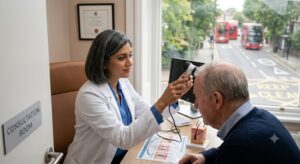
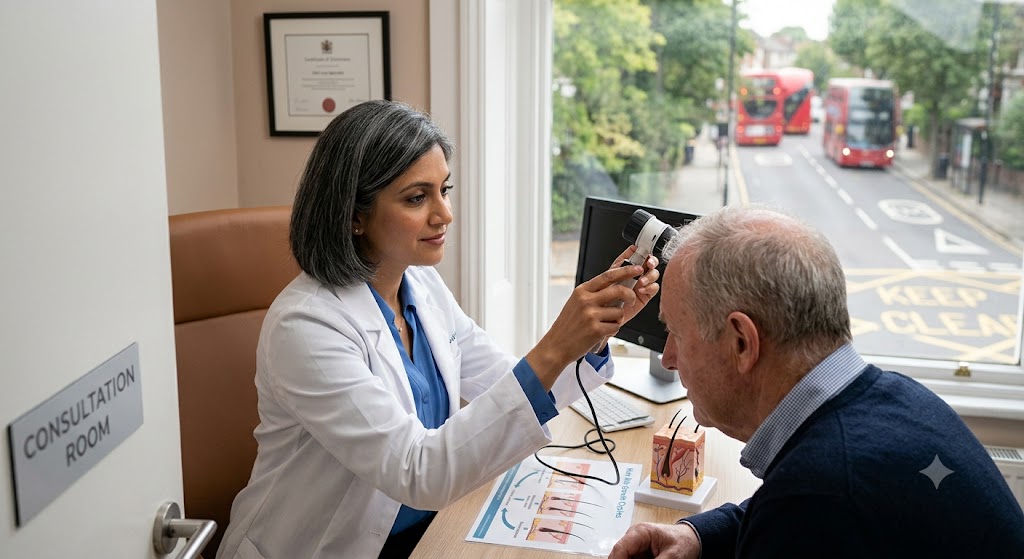
Your first appointment at a specialist hair loss clinic should focus on understanding why your hair loss has occurred. A comprehensive hair loss consultation typically includes:
- Reviewing your medical history
- Discussing the pattern and duration of hair loss
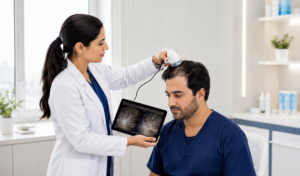
- Examining the scalp and hair
- Reviewing previous treatments
- Identifying contributing factors such as hormonal imbalance or nutritional deficiencies
- Discussing realistic treatment options
In some cases, blood tests or referral to another healthcare professional may be recommended if an underlying medical condition is suspected. Following diagnosis, a personalised treatment plan is developed with realistic expectations regarding timescales.
What Happens at a Hair Loss Consultation at The Hairology Centre? 
At The Hairology Centre, every hair loss treatment consultation is designed to identify the underlying cause of your hair loss rather than simply treating the symptoms. Your appointment lasts approximately 45 to 60 minutes and includes:
- A detailed medical history
- Discussion of your hair loss concerns and treatment goals
- Clinical examination of your scalp and hair
- Clinical photographs to monitor progress
- Diagnosis of your specific type of hair loss
- Discussion of all suitable treatment options including prescription and non-prescription therapies
- A personalised treatment plan tailored to your needs
Patients commencing treatment receive ongoing support with scheduled follow-up consultations at 3, 6, and 9 months to monitor progress and make any necessary adjustments.
About Mandeep Singh Matharu
The Hairology Centre is led by Mandeep Singh Matharu, an experienced hair loss specialist with many years of clinical experience managing a wide range of hair and scalp conditions.
Mandeep is a UK-registered pharmacist and is registered with the General Pharmaceutical Council (GPhC) and Pharmacy Board of Australia. Having completed his Fellowship in Evidence-Based Hair Loss, his clinical practice focuses exclusively on evidence-based hair loss management, helping patients receive an accurate diagnosis before recommending appropriate treatment.
He has extensive experience assessing both male and female pattern hair loss, telogen effluvium, frontal fibrosing alopecia, alopecia areata, and other forms of alopecia. Every treatment recommendation is based on current clinical evidence and tailored to the individual patient.
Book Your Hair Loss Consultation
If you are experiencing excessive hair shedding, hair thinning symptoms, or patchy hair loss, seeking professional advice early can significantly improve treatment outcomes. At The Hairology Centre, we are committed to providing expert diagnosis, personalised treatment plans, and continued support throughout your hair restoration journey.
Book your hair loss consultation at hairologycentre or start with an online assessment at treatments.hairologycentre.com.