If you’ve searched for natural remedies for thinning hair, you’ve likely encountered the “onion juice” trend. While it sounds like an old wives’ tale, there is a specific piece of clinical research that hair growth enthusiasts point to: the 2002 Sharquie and Al-Obaidi study. But does the science actually hold up? Let’s dive into the … Read more

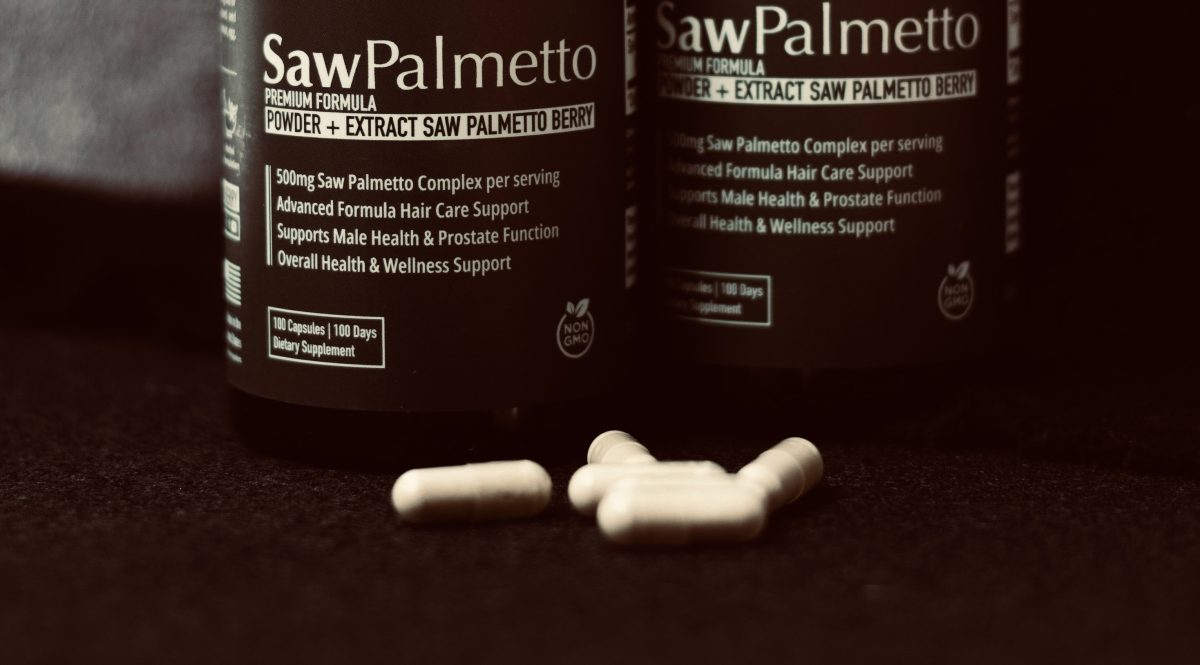
Serenoa repens, commonly known as saw palmetto, is a plant-derived supplement frequently marketed for androgenetic alopecia (pattern hair loss). It is often promoted as a “natural” alternative to prescription treatments because of its ability to reduce the activity of 5-alpha-reductase, the enzyme involved in the conversion of testosterone to dihydrotestosterone (DHT). While saw palmetto is … Read more
Minoxidil is widely used to treat hair loss and is best known for improving hair density and reducing shedding. However, a lesser-known and increasingly discussed question is whether topical minoxidil can affect hair colour, including the development of grey hair. While research in this area is limited, emerging evidence suggests that hair colour changes may … Read more

People experiencing hair loss are often eager to try anything that might help—especially when medically proven treatments can take time to show results. As a result, clinicians are frequently asked about over-the-counter and adjunctive hair loss treatments that sit outside standard, evidence-based therapies. While some non-prescription options are relatively harmless, others may offer no benefit … Read more
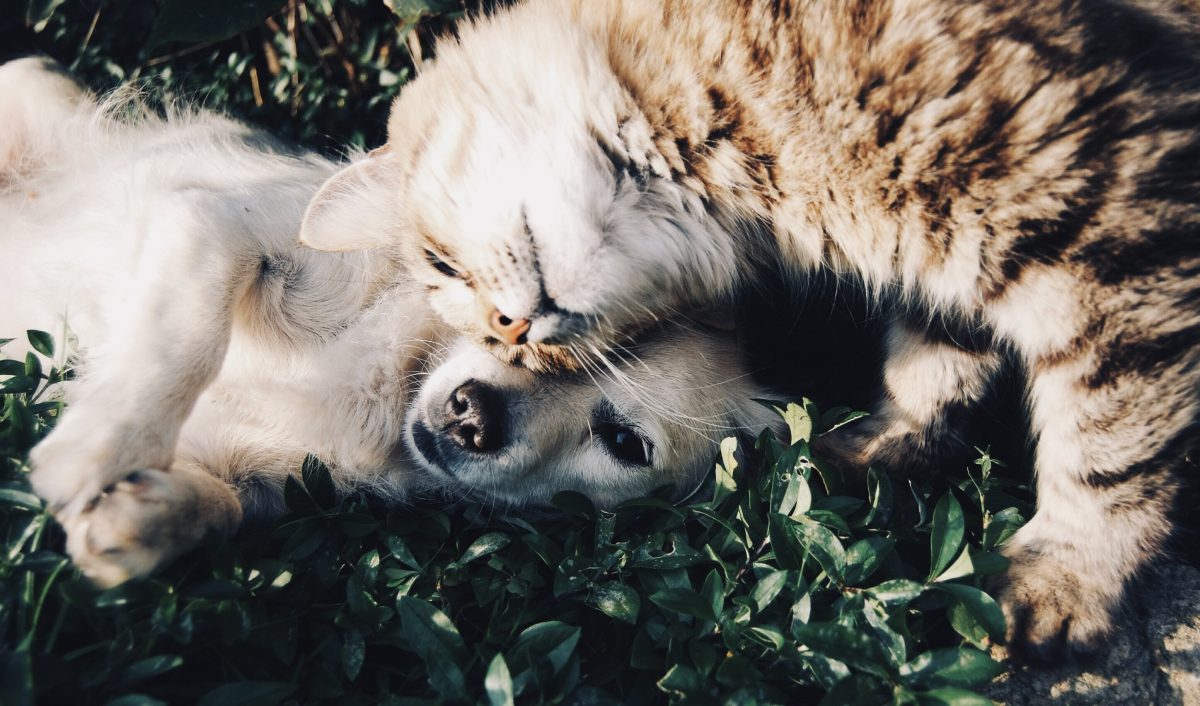
Minoxidil is a widely used, FDA-approved treatment for androgenetic hair loss in humans. However, a new scoping review highlights an important safety issue for pet owners: minoxidil exposure can be highly toxic—especially for cats. Researchers reviewed medical literature from multiple databases and identified 94 cases of minoxidil poisoning in cats and dogs. Most exposures happened … Read more
Alopecia areata (AA) is a common autoimmune disorder that causes non-scarring hair loss. While it is best known for causing patchy baldness, it can sometimes lead to a peculiar phenomenon: the growth of new white hair in previously bald areas. This can be confusing for patients who expect to see their natural hair color return. … Read more

Expert hair loss assessment at UK clinic

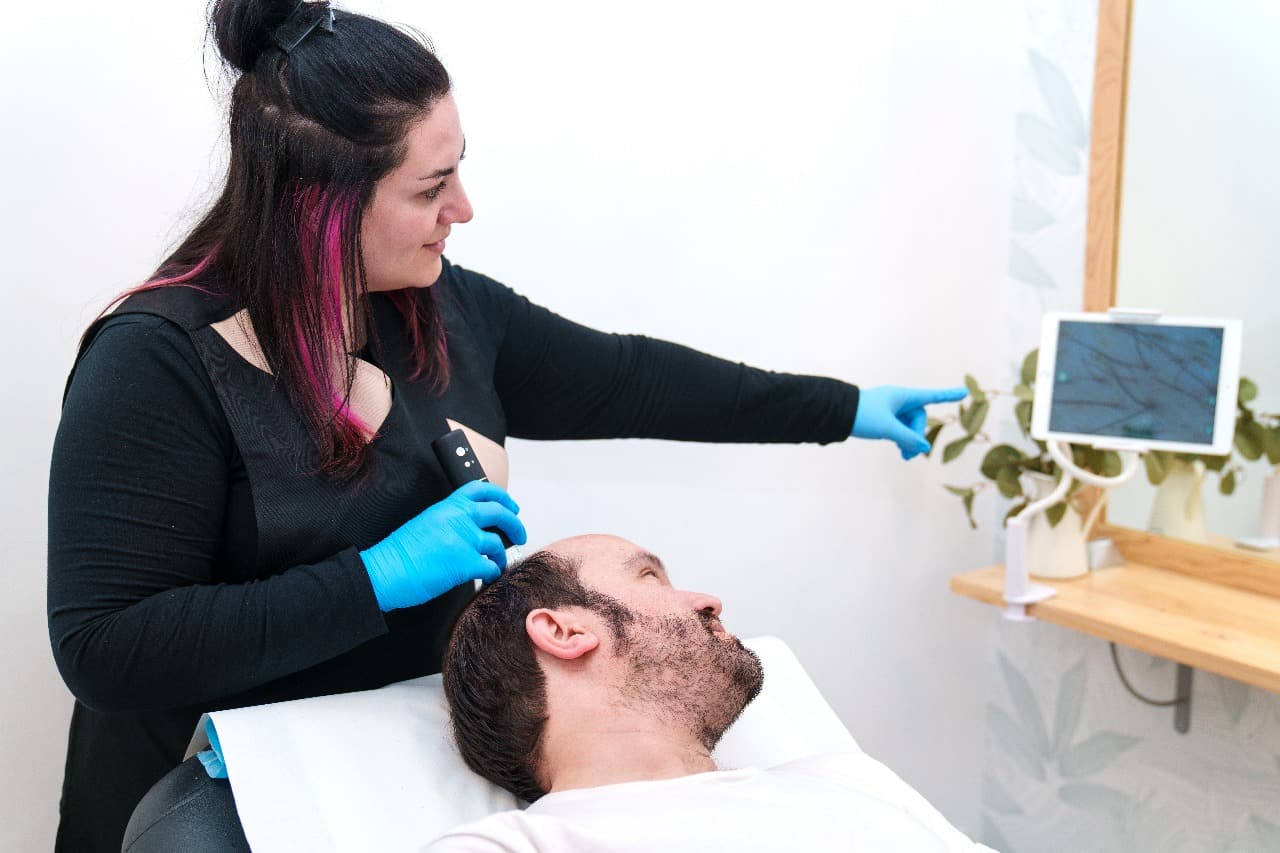
If you’ve been noticing thinning hair, widening partings or more shedding than usual, chances are you’ve spent time Googling symptoms, trying quick fixes, or even buying hair products online hoping something might finally work. But the truth is, real progress starts when you visit a hair loss clinic that understands your scalp, your medical history, … Read more

Gray hair is a natural part of the aging process, but have you ever wondered what’s happening beneath the surface to cause this change? The science behind it is a fascinating interplay of genetics, biology, and chemistry. The primary mechanism of gray hair is a reduction or complete loss of melanin, the pigment that gives … Read more
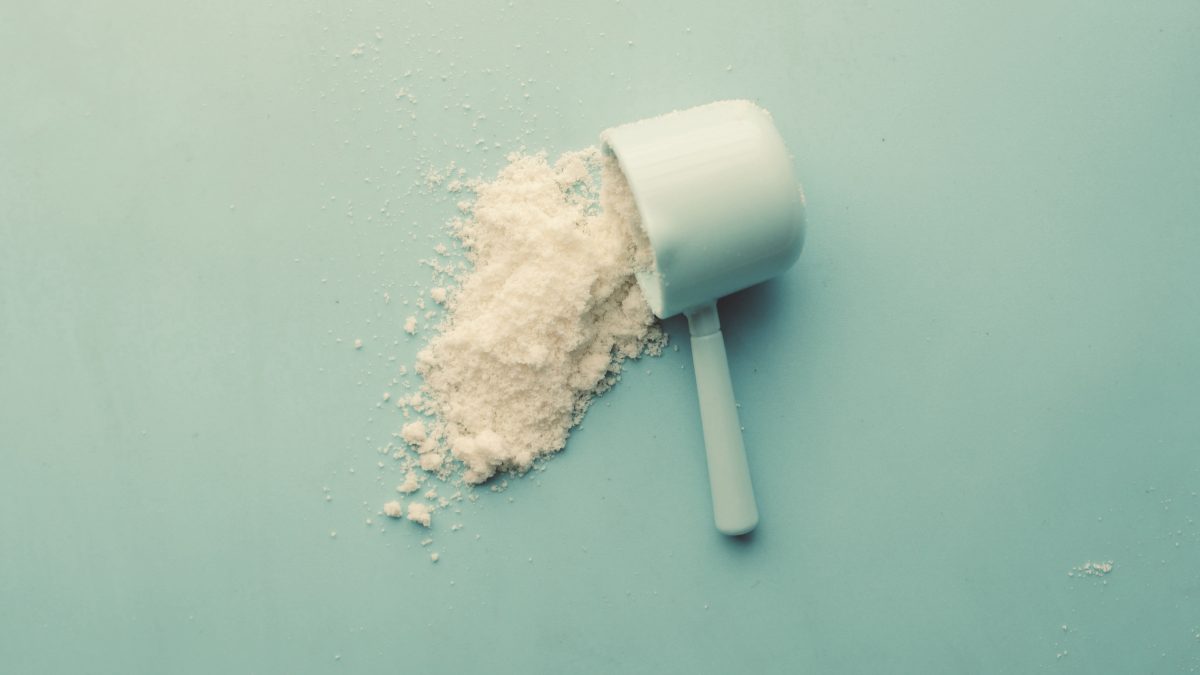
For years, a common concern about creatine, a popular supplement for muscle growth, has been that it might cause hair loss. The theory was that creatine could increase a hormone called dihydrotestosterone (DHT), which is known to cause male pattern baldness. A recent 12-week study was conducted to test this claim directly. Forty-five men who … Read more
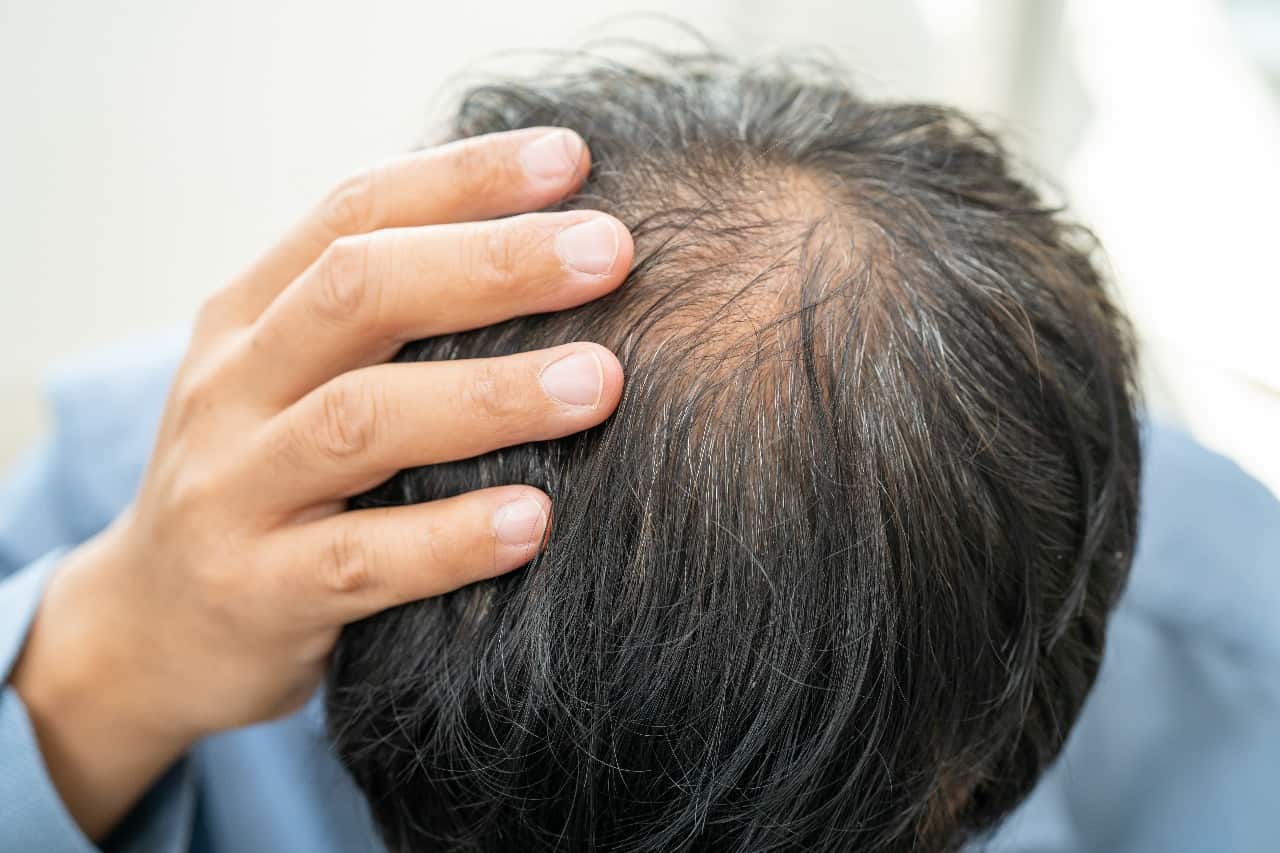
A major new study presented at the 2025 European Academy of Dermatology and Venereology (EADV) Congress in Paris has revealed a concerning link between GLP-1 receptor agonists—popular weight loss and diabetes medications—and a heightened risk of hair loss. The findings suggest that these drugs may trigger or expose underlying hair loss conditions rather than directly … Read more

© 2026 The Hairology Centre. All Rights Reserved. Created By Haarty Hanks